
Importing Cast Iron Cookware into the EU: Food-Contact Rules, Tests and Labels
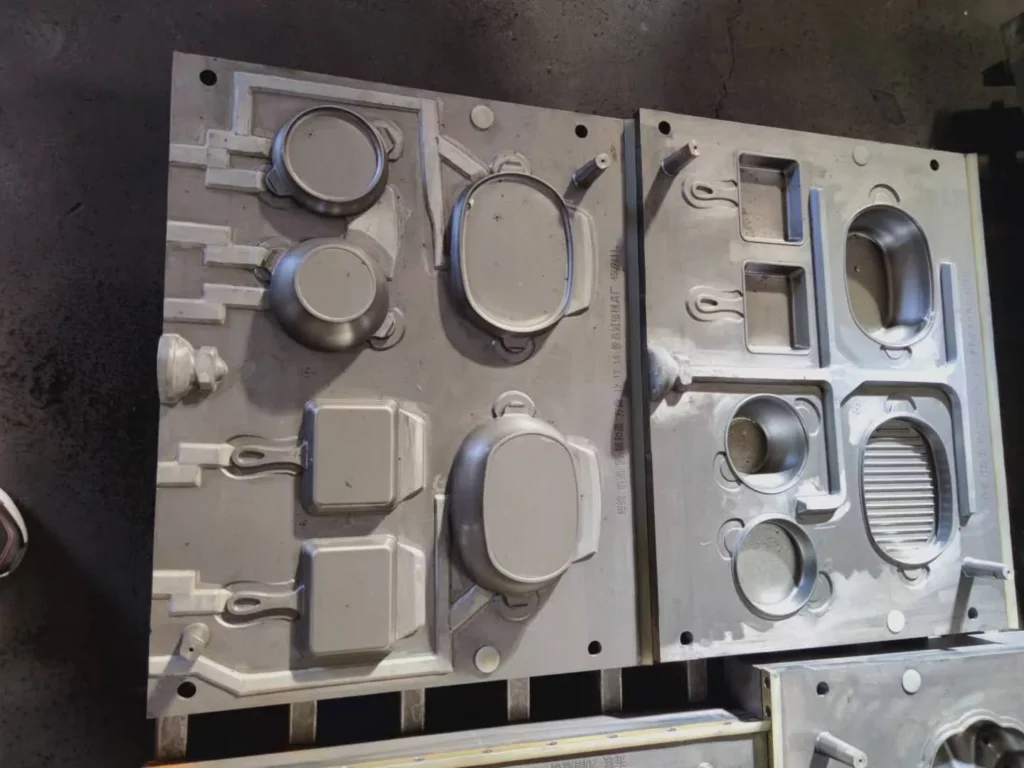
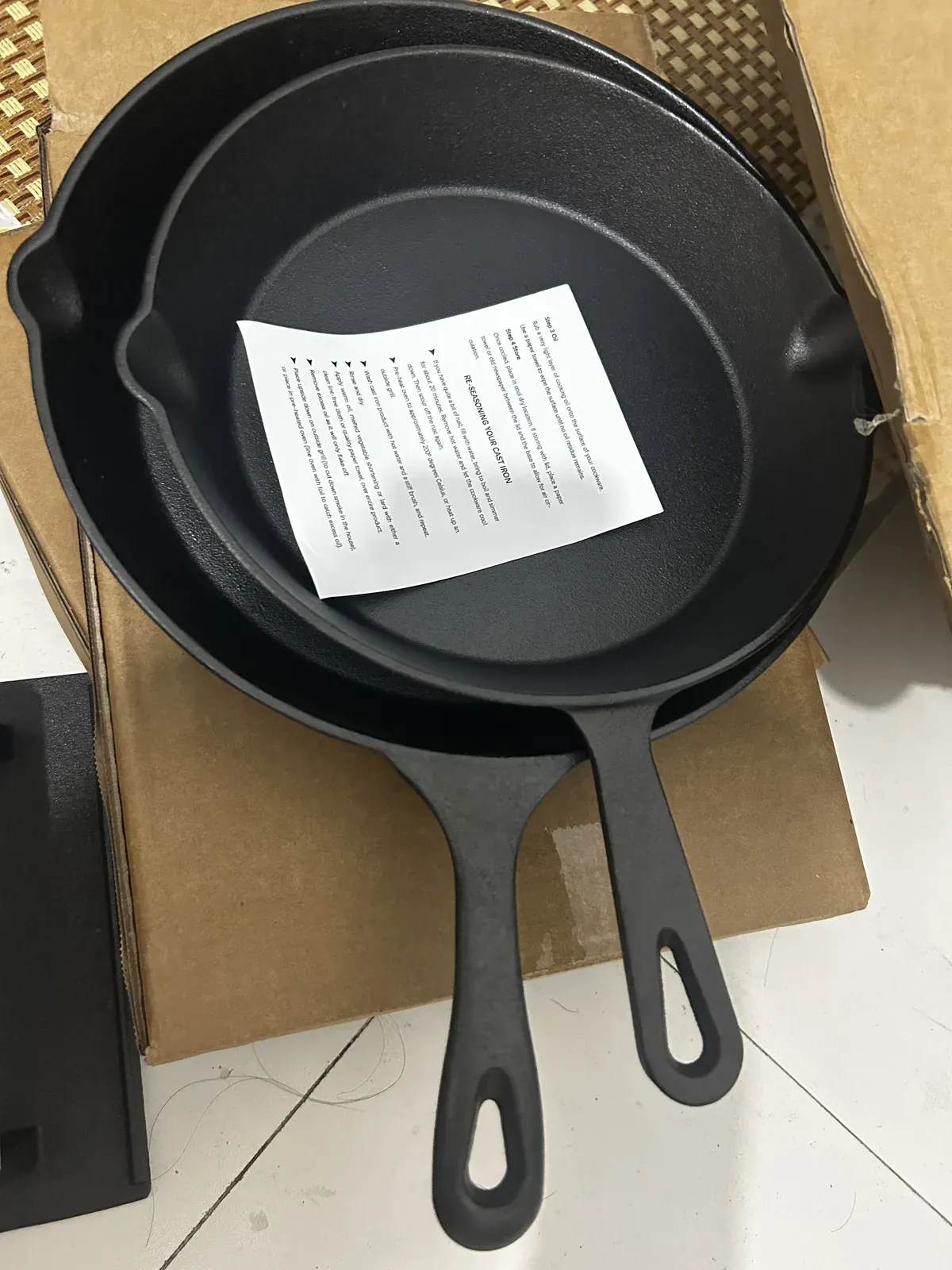
Cast iron cookware sold in the EU must be safe in contact with food, made under good manufacturing practice, traceable, and labelled with the right safety and care information. There is no single EU law written only for cast iron. Instead, a small set of general rules applies, and many buyers add tests based on national rules such as Germany’s LFGB. This guide sets out what applies, which documents to ask for, and what to agree with your supplier before you order.
The rules that apply
| Rule | What it requires | What it means for cast iron |
|---|---|---|
| Food Contact Materials Regulation (EC) No 1935/2004 | Materials must not transfer substances to food in amounts that endanger health, change the food unacceptably or spoil its taste or smell. Traceability and labelling rules apply. | The finished pan, including seasoning, enamel and any wooden or plastic parts, must be safe in contact with food |
| Good Manufacturing Practice Regulation (EC) No 2023/2006 | Quality assurance, quality control and documentation at every stage of production | Your supplier should be able to show how production and finishing are controlled |
| General Product Safety Regulation (EU) 2023/988 | Products must be safe; an EU-based responsible person; traceability; warnings and instructions in the local language; product details in online listings | Hot-handle warnings, care instructions, batch identification and the EU contact on the label or packaging |
| Specific measures for plastics, Regulation (EU) No 10/2011 | Declaration of compliance and migration limits for plastic parts in contact with food | Applies only if the product has plastic parts that touch food |
Testing: what buyers usually ask for
There is no harmonised EU test list for cast iron. In practice, test reports are agreed between buyer and supplier, and the requirements depend on the finish and the target country.
- Seasoned or uncoated iron. Release of metals into food. Laboratories often refer to the technical guide on metals and alloys published by the European Directorate for the Quality of Medicines (EDQM).
- Enamelled iron. Release of lead and cadmium from the enamel. The European Commission has been reviewing migration limits for lead and cadmium in ceramic, glass and enamelled food-contact materials, so check the current position with your laboratory.
- Germany. Many German buyers ask for food-contact tests based on the LFGB food code.
- Wooden parts. Wooden handles, lids and serving boards are food-contact materials too. Check also whether the EU Deforestation Regulation applies to your wooden items.
Our position is simple: documents are matched to the exact model, finish and production facility during quotation. If your customer needs a specific test report, tell us at the quotation stage so the test can be planned with the order.


Labels, marks and packaging
- No CE mark. CE marking does not apply to non-electric cookware. A CE mark on a cast iron pan is wrong and can cause problems at inspection.
- Food-contact symbol. Not required for articles that are obviously meant for food, such as a frying pan, but many brands print the glass-and-fork symbol on the box.
- Traceability. Product type and batch or lot identification, plus the name and address of the responsible operator in the EU.
- Warnings and care. Hot handles, use of oven gloves, no dishwasher for seasoned iron, drying and oiling after use. Write them in the language of each country of sale.
- Induction claims. Only state “suitable for induction” for models listed for it. Our catalogue gives the heat sources model by model, as explained in our guide to seasoned and enamelled cast iron.
Documents to request before you order
- Approved sample, signed off, with the agreed sizes, weights and finish
- Food-contact test reports matched to the model and finish, for your target market
- A description of production and quality control, in line with good manufacturing practice
- Material information for any wooden, plastic or silicone parts
- Label and packaging artwork with warnings, care instructions, batch identification and the EU contact
- Social-audit information for the production facility, if your customers require it (for example BSCI), matched to the actual facility
Then check the goods before shipment with our cast iron inspection checklist.
FAQ
Does cast iron cookware need a CE mark?
No. CE marking applies only to products covered by specific EU directives, such as electrical appliances. Non-electric cookware is not one of them, so a CE mark on a cast iron pan is wrong.
Which EU law applies to cast iron cookware?
The Food Contact Materials Framework Regulation (EC) No 1935/2004 and the Good Manufacturing Practice Regulation (EC) No 2023/2006, plus the General Product Safety Regulation for consumer products. National rules can add requirements.
Is an LFGB test mandatory?
LFGB is German food law. Many buyers in Germany, and some elsewhere in the EU, ask for food-contact tests based on it. Ask your customer which test report they expect before the order.
Do I need the glass-and-fork symbol on a frying pan?
Articles that are obviously intended to come into contact with food do not have to carry the food-contact words or symbol. Many brands still print the symbol on the box.
What about wooden handles and lids?
Wooden parts are food-contact materials too, and the EU Deforestation Regulation may apply to wood products. Check the scope and the dates that apply to your product with your compliance adviser.
Import cast iron cookware with Wancomee
Tell us the models, finish and quantities you need, the EU countries you sell to and the test reports your customers expect. We will confirm what applies to each model and send a quotation with sample options. Browse the cast iron cookware range or see our production photos. The minimum order is usually 50–200 pieces per model.
Related guides
Sources
- Cookware regulations and standards in the European Union: Compliance Gate
- Cookware food contact material testing (EU): SGS
- EU reviews metal limits in ceramic, glass and enamel food contact materials: Food Packaging Forum
- EU General Product Safety Regulation: U.S. International Trade Administration
This article explains the rules for buyers. It is not legal advice.